Everyday Habits to Set a Budget and Compare Smart Shopping Alternatives
Practical, retailer-neutral habits to build a realistic budget and compare shopping options so you spend less without sacrificing what matters.
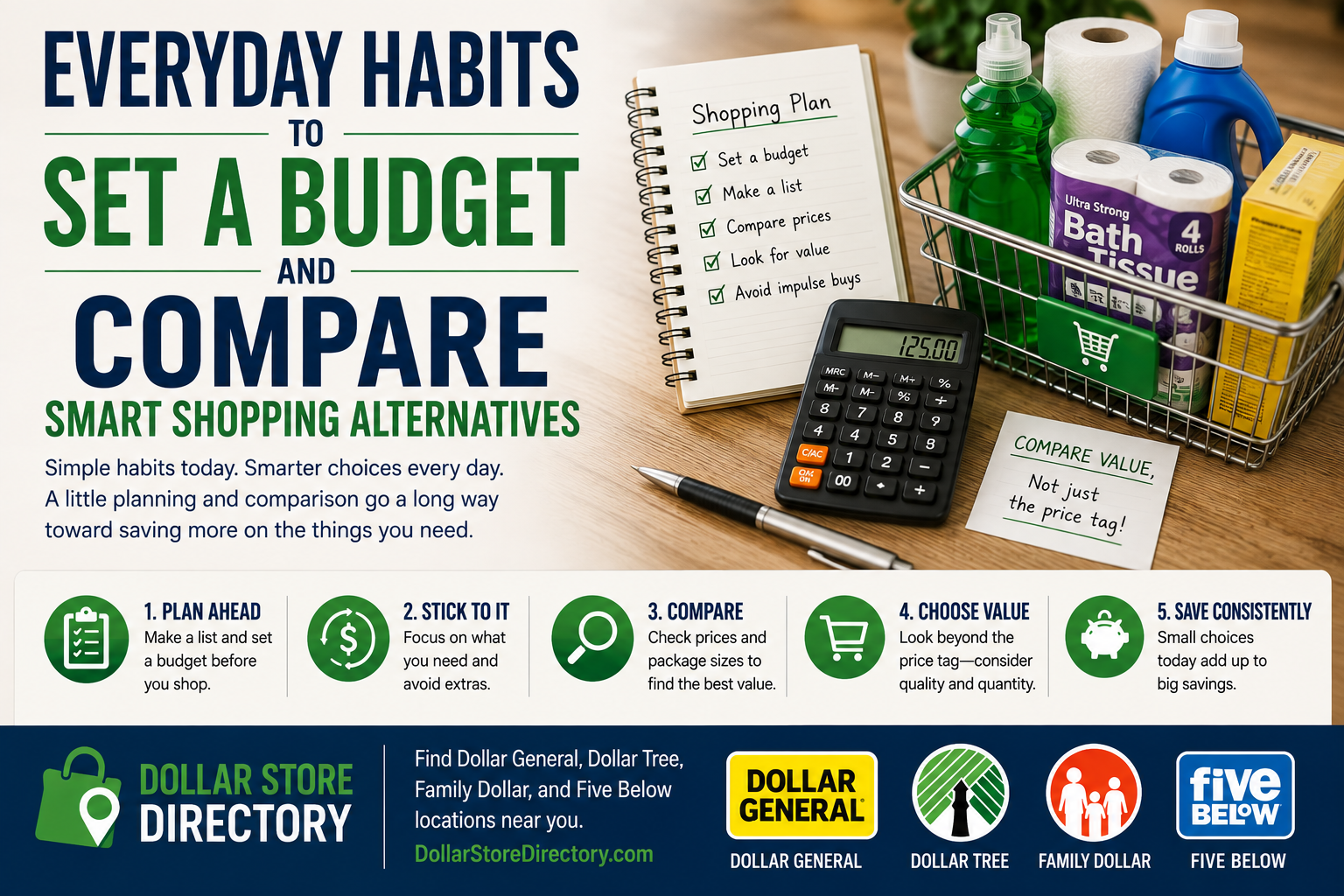
Budgeting isn’t a one-time chore — it’s a set of small habits you practice until they become automatic. The same is true for comparing shopping alternatives: a few routine checks can prevent impulse purchases and help you find better value without spending hours. Below are practical, retailer-neutral habits you can adopt today.
Start with a short experiment: track, then decide
Before fixing numbers on a budget, run a simple tracking experiment for 2–4 weeks. Track everything you buy and where you buy it, including small cash purchases. The goal is to see real patterns, not to be perfect.
- Use a simple tool: a notebook, a notes app, or a spreadsheet. Record date, item, category, amount, and store.
- Observe categories: groceries, household supplies, personal care, eating out, transport, and one-off purchases.
- Look for surprises: repeated small purchases (coffee, snacks) add up. These are low-effort places to cut.
Turn data into a practical budget
Once you have a couple weeks of data, build a simple budget that reflects reality and priorities.
- Set clear priorities: essentials (food, utilities), savings, then discretionary spending.
- Allocate by habit, not guesswork: if you actually spend $X on groceries, start by allocating that, then look for small reductions.
- Make rules: hard limits for certain categories (e.g., a weekly snack cap) and flexible targets for others.
You can express a budgeting rule with a quick code you remember. For example: weekly-groceries = target ÷ 4 or use an existing framework you like. The exact numbers matter less than the habit of checking them regularly.
Build pre-shop routines that prevent costly impulses
Decide before you leave home what you intend to buy and why. Pre-shopping habits reduce decision fatigue and make comparisons easier.
- Always bring a list: only items on the list, except for a small, predefined buffer (one extra snack or household item).
- Set a time limit: a 20–30 minute shopping window for quick trips helps avoid wandering into impulse purchases.
- Use a “test buy” rule: for new items or brands, buy one small unit first to evaluate quality and fit before committing to larger quantities.
Compare smarter, not obsessively
Comparing alternatives should be quick and repeatable. Focus on a few reliable checks you do every time.
1. Check unit price
Unit price (price per ounce, per count, per single-use) is often the fastest way to judge value. Learn the method once and use it as a default for comparing like-for-like items. For a step-by-step refresher, see this guide: How to Calculate Unit Price and Compare Value at Dollar Stores and Other Retailers.
2. Consider the whole cost
- Think beyond sticker price: factor in travel time, fuel, parking, and any additional fees that make a “cheap” option cost more in practice.
- Account for durability: if one product lasts twice as long, the effective cost is lower even if upfront price is higher.
3. Compare similar quality
Always compare like with like. A premium-brand item and a budget-grade alternative may not serve the same needs. Use small test purchases to check quality before buying in quantity.
Create a lightweight comparison checklist
Make a short checklist you refer to before every non-regular purchase:
- Do I need this now, or can it wait a week?
- Is there a cheaper equivalent with acceptable quality?
- What is the unit price or cost per use?
- Are there hidden costs (travel, time, returns)?
- Can I test one before buying multiples?
Tip: Keep the checklist as a note on your phone. A single tap to review it before checkout often prevents regret.
Use routines that save time and keep you consistent
- Weekly review: 15 minutes to check spending against the budget and adjust for the week ahead.
- Shopping windows: set 1–2 days for bulk shopping and single quick trips for emergencies.
- Stash decision rules: for recurring purchases, set a standing rule (brand X only when unit price is below Y) so you don’t re-evaluate every time.
Tools and small systems that help
You don’t need fancy software. Use simple tools that reduce friction.
- Receipt habit: keep receipts or take a quick photo; add the total to your tracking sheet the same day.
- One-click price compare: when uncertain, do a two-minute unit price check using your phone calculator and your checklist.
- Local alternatives folder: keep a short list of nearby options you like — including independent local stores — and their typical strengths (one may be better for cleaning supplies, another for snacks). If you want to explore independent shops in your area, start here: Independent Dollar Stores.
Review and tweak, don’t aim for perfection
Habits are about consistency. If one rule doesn’t work after a month, adjust it. The point is to replace reactive spending with a few simple checks that become automatic.
Start small: pick two habits from this article (for example, tracking for two weeks and using the pre-shop checklist). Once those feel routine, add a unit-price check and weekly reviews. Over time you’ll spend less time worrying and more time saving.